Fumigation

Commodity & space treatments

Gas-phase treatments for defined sealed volumes - from commodity stacks to containers and engineered enclosures - with integrity checks, logged monitoring and clearance packs your logistics or QA team can file.

Where we apply fumigation

Commodity and enclosure programmes across Dubai, United Arab Emirates and the wider UAE - scoped to your pest pressure, contract and quarantine paperwork.

  • Tobacco

    Baled and cured leaf in bonded stores where gas must penetrate tight wraps and headspace.

  • Granary & cereals

    Wheat, rice, maize, oats and similar bulk in silos, flat stores or bag stacks.

  • Food processing

    Empty-line or chamber treatments when production pauses and seals can be validated.

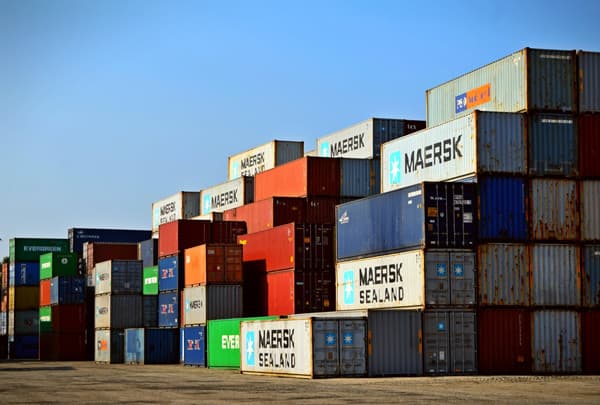
  • Shipping containers

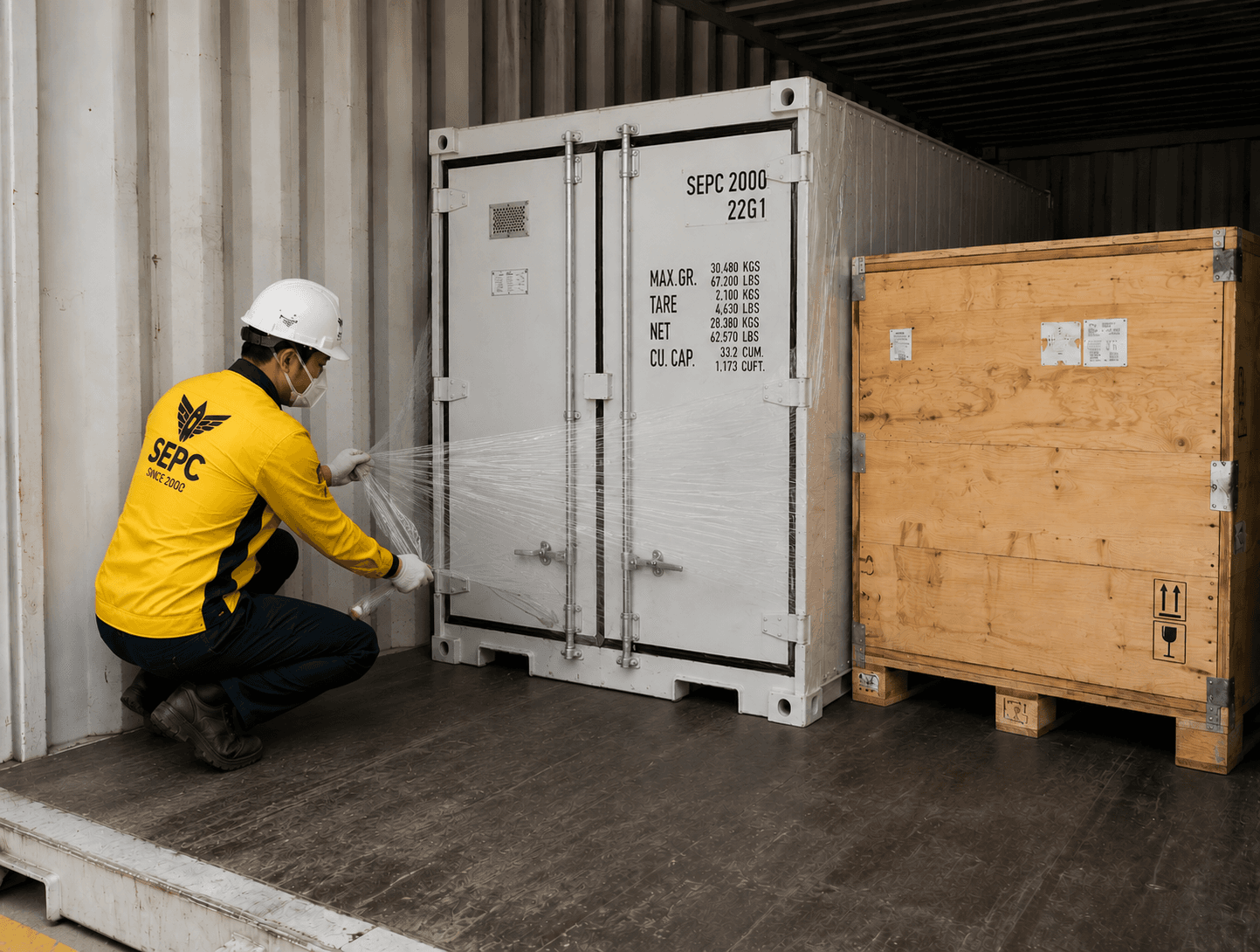
    Export and import loads that need a documented sealed treatment before movement.

  • Ship holds

    Marine cargo spaces treated under port, P&I and vessel safety coordination.

  • Agricultural commodities

    Nuts, pulses, seeds and raw produce where monitoring shows infestation in depth.

  • Animal feed

    Feed mills, mash and pellet stores where insects threaten nutritional value and audits.

  • Dates & palm products

    Packed or bulk dates and related stores common across GCC supply chains.

Commodity fumigation & enclosed-space treatments

Same licensed team - different engineering for bulk commodity volumes versus sealed containers, bays or chambers.

Stored product & bulk commodity

Mills · Silos · Bag stacks · FMCG warehousing

Volumes are modelled from drawings or laser measures, then matched to label rates and QA clearance sampling after aeration.

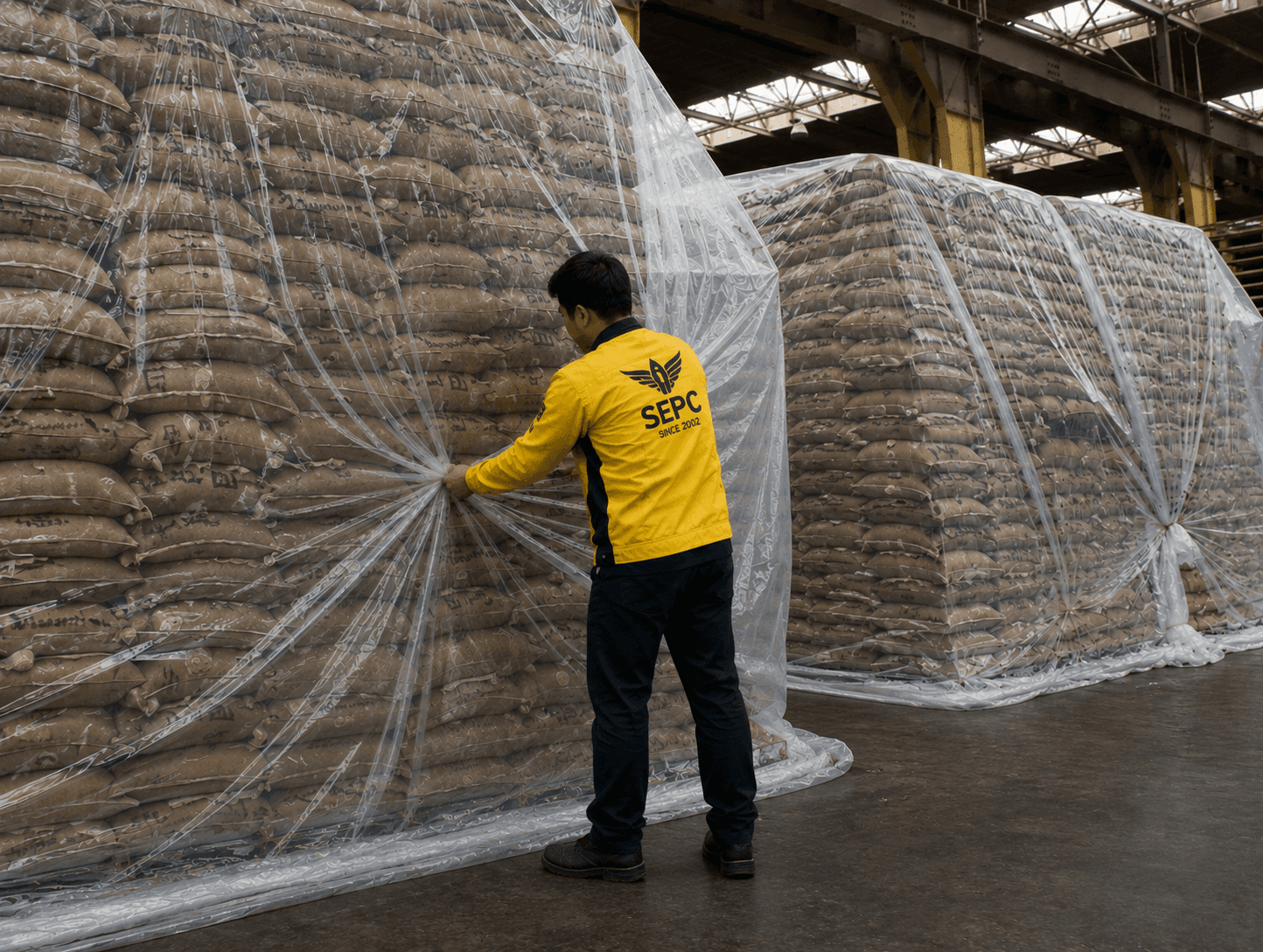
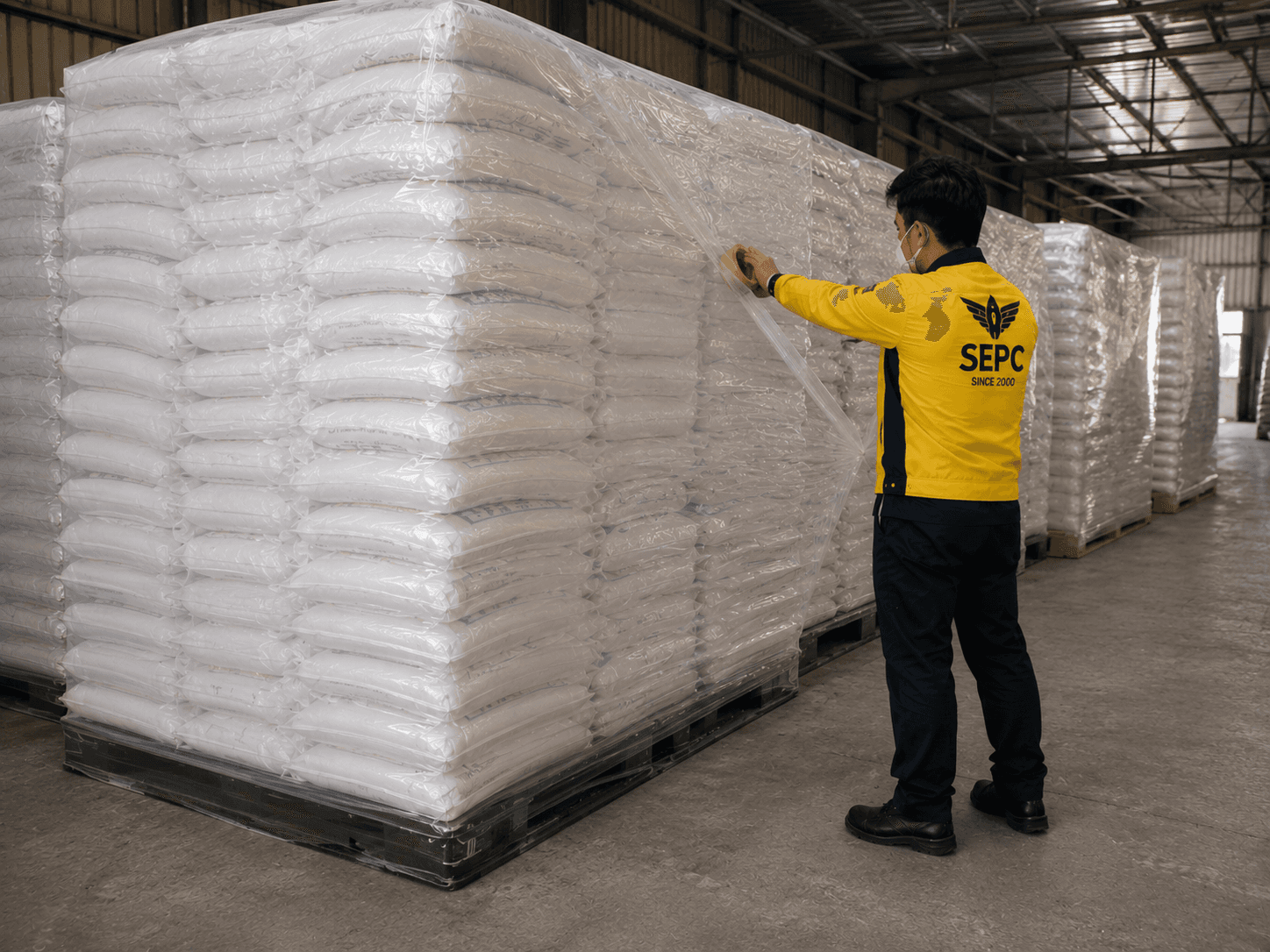
  • Silos, bag stacks, feed mills and palletised FMCG where gas phase penetration beats surface-only contact - dosing tied to volume, temperature and commodity sorption.
  • Hold-time and aeration logging aligned with your QA sampling plan so dispatch, blending or export documentation stays traceable.
  • Coordination with weighbridge, intake and outturn windows so sealed periods do not collide unnoticed with peak forklift traffic.
Enclosures, containers & bays

Depots · Curtain bays · Tented volumes · Export loads

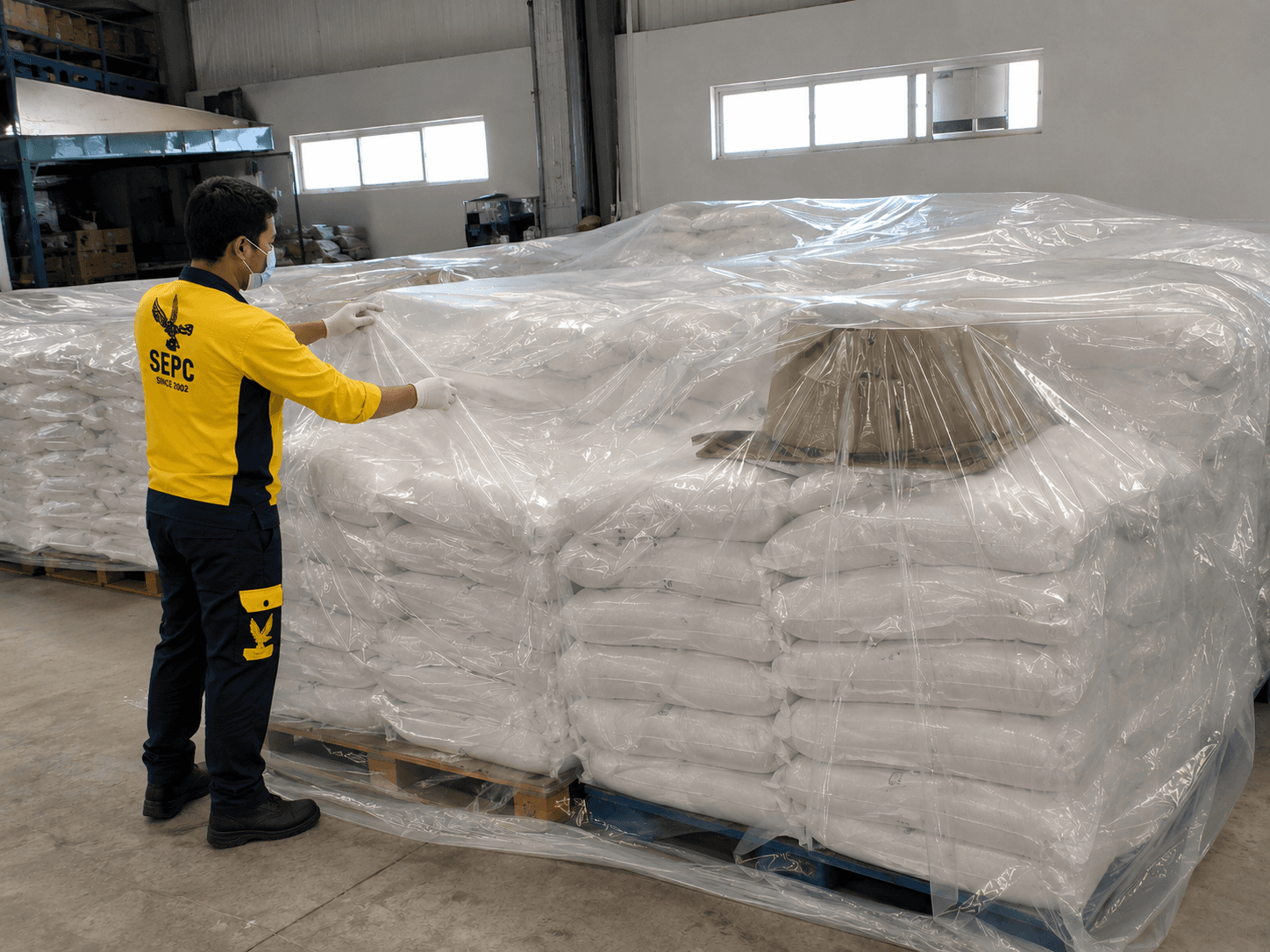
Envelopes are leak-checked before gas introduction; aeration follows written sequences with logged monitoring.

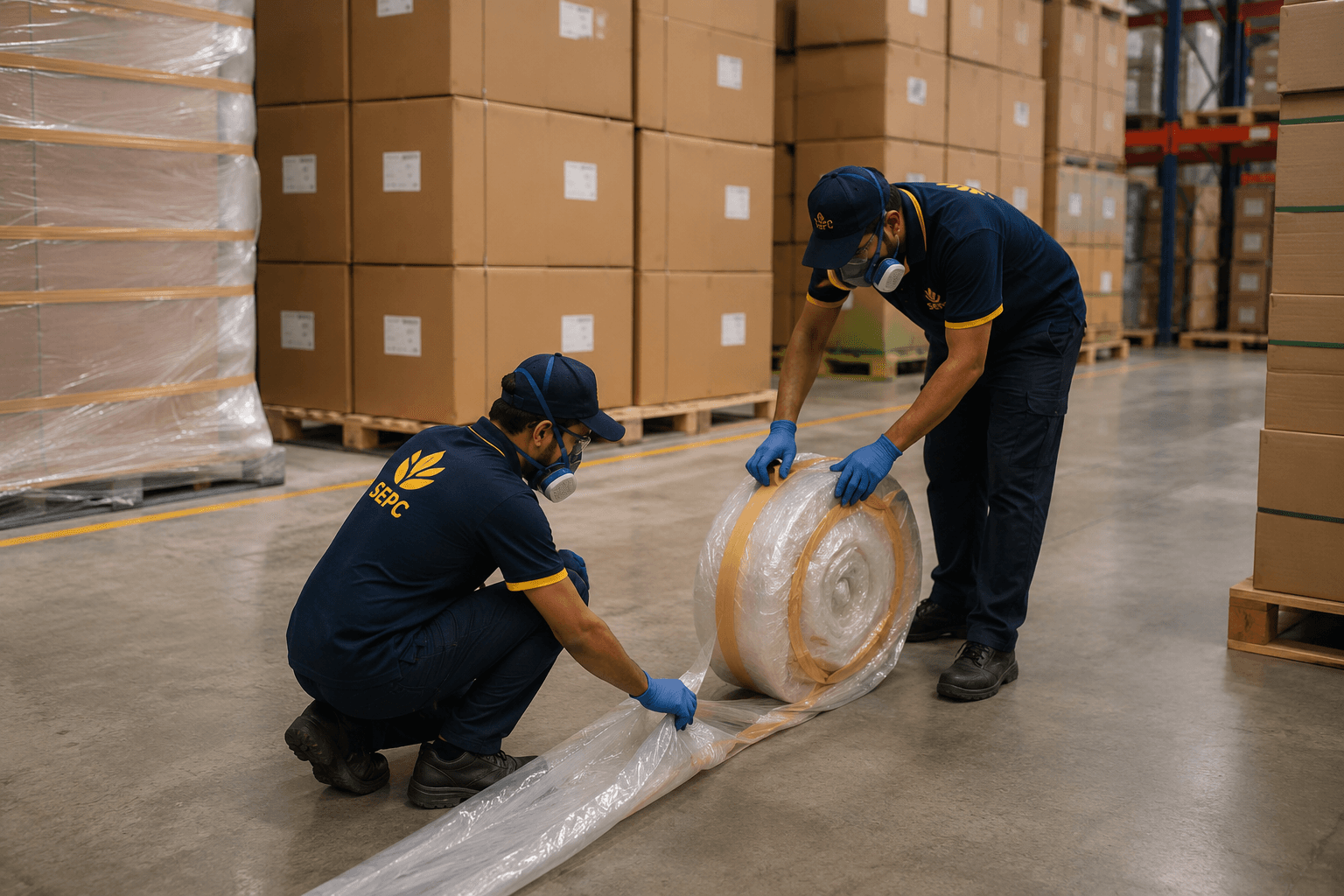
  • Containers, shrink-wrapped bays, dedicated tents or other engineered envelopes after integrity walk-downs - zipper lines, floor gaps and utility penetrations checked before introduction.
  • Port, free-zone and inland depot procedures folded into RAMS - signage, exclusion radii and bilingual briefings for mixed crews where required.
  • Structural or timber-adjacent scopes only where label directions and local practice support the method - we stop and re-scope rather than seal poorly.
Documentation: Chamber logs, monitoring traces and certificate packs for forwarders or mill QA.

What is a fumigant?

Fumigants are volatile pest-control products that work as a toxic gas inside a sealed space - not as a surface spray. The entire enclosed volume must reach label concentrations for the full exposure period.

Fumigation is chosen when management confirms a real infestation or a contractual / quarantine driver, when the envelope can be sealed safely, and when no practical alternative reaches pests in their hiding places (eggs, larvae, pupae and adults deep in commodity).

In the UAE export trade, commodity fumigation is often mandatory for phytosanitary clearance or buyer contracts. The same discipline applies inland: mills, free zones and logistics yards need written RAMS, monitoring logs and aeration proof before people or forklifts re-enter.

Fumigation is appropriate when

  • Rapid knock-down is required across an entire sealed volume
  • Clean product or packaging will enter a space that must be pest-free first
  • Export, insurance or mill QA specifies gas-phase treatment with certificates
  • Stored-product insects persist after hygiene, trapping and localised treatments

Stored-product pests & business impact

Warehouses, silos, vessels and transport units are ideal breeding sites: abundant food, stable temperature and little natural predation. Surface sprays rarely reach larvae inside the stack. A properly engineered fumigation - with verified sealing, gas monitoring and controlled aeration - targets every life stage in the commodity and void space.

Damage in the store

  • Kernels hollowed, drilled or otherwise unfit for milling or sale
  • Live insects, cast skins, webbing and droppings mixed through the lot
  • Packaging, pallets and wooden dunnage damaged by borers or gnawing pests
  • Heat and moisture from insect activity encouraging mould, caking and germination loss

Commercial & safety consequences

  • Nutritional and feed-value loss in grains and ingredients
  • Ingredient ratios shifted by frass, webbing or dead insects
  • Off-odours, tainting or visible spoilage rejected by buyers
  • Audit failures, recalls and insurance / contractual claims
  • Allergen and food-safety risk where pests contact finished goods
Global food agencies estimate that a large share of harvested grain is lost or downgraded each year to stored-product insects - enough to feed hundreds of millions of people if recovered. Fumigation is one tool mills and traders use when monitoring shows infestation beyond what cleaning and aeration alone can fix.

Phosphine (PH₃) commodity fumigation

Aluminium phosphide and magnesium phosphide generators are widely used for food and feed commodities because, when applied strictly to label, gas disperses through the stack and leaves no surface residue on the product itself.

Solid formulations - tablets, pellets, granules or plates - release phosphine gas inside the sealed envelope. Rates depend on volume, temperature, moisture, sorption and the target pest; our planners document dose, exposure time and aeration before mobilisation.

All fumigants are acutely toxic. Application, monitoring and clearance are carried out only by trained technicians with appropriate PPE, gas detection and emergency procedures - never by warehouse staff without licence and supervision.

Typical treated commodities

  • Animal feed and ingredients
  • Corn, maize and grass seed
  • Oats, wheat and rice
  • Peanuts, pistachios and tree nuts
  • Popcorn and snack inputs
  • Tobacco and similar cured leaf
  • Processed foods only where label and residue rules allow no product contact

Onshore and offshore scopes are assessed case by case - share commodity specs, container numbers or silo drawings when you request a quote.

What fumigation is - and when it is the right tool

Fumigation treats a sealed volume with a toxic gas or vapour-phase product so chemistry reaches deep into commodities, timber pores, joints and voids that sprays or baits cannot saturate. It is reserved for defined scenarios where regulations, risk assessments and product labels support use - typically stored-product pests, certain export phytosanitary requirements, or specialist commodity treatments.

Because fumigants are inherently hazardous, programmes are planned end-to-end: sealing, dosing, monitoring, aeration and documented re-entry. Your operations team receives clear hold points so warehousing, shipping or production lines stay aligned with the treatment window.

We dose to label rather than habit - combining monitoring, hygiene and proofing after gas clearance so repeat treatments are not treated as routine maintenance.

Fumigation: What fumigation is - and when it is the right tool
Fumigation: Sealing, RAMS and authority expectations in the UAE

Sealing, RAMS and authority expectations in the UAE

Every job starts with a scope sheet: volume calculation, target pest or phytosanitary driver, envelope integrity (sheeting, tape lines, door seals or chamber closure), adjacent occupancies and emergency services context.

RAMS cover ignition sources, confined-space rules where they apply, PPE levels for technicians, exclusion zones and signage language for mixed-nationality crews. Where building management or port agents require permits or notices, those steps are built into the programme before gas introduction.

Stored products, stacks and warehouse volumes

Silos, bag stacks, palletised feed and similar bulk storage often need gas penetration rather than surface-only contact. We align dosing assumptions with how the stack breathes - headspace, ducting, recirculation if used - and with your QA sampling plan after aeration.

Temperature and moisture affect sorption; schedules may shift seasonally. We document hold times and aeration curves so your commodity managers can reconcile against intake and dispatch calendars.

Fumigation: Stored products, stacks and warehouse volumes
Fumigation: Enclosed spaces, containers and specialist enclosures

Enclosed spaces, containers and specialist enclosures

Shipping containers, curtain-sided bays shrink-wrapped into temporary chambers, or dedicated fumigation tents can all form the sealed envelope when engineering review supports it. Structural timber treatments may use enclosure methods where label directions and local practice allow.

Each geometry gets its own leak-check mindset: zipper lines, floor gaps, utility penetrations and weather seals are walked before introduction. Where integrity cannot be guaranteed, we pause and re-engineer rather than under-dose or over-expose neighbouring zones.

Monitoring, aeration and controlled re-entry

Gas monitoring during exposure and aeration is logged against agreed thresholds. Re-entry stays prohibited until readings meet label and site-specific clearance numbers - often with independent verification where your EHS policy requires it.

Residual odour or desorption from commodity may continue after technical clearance; we brief your team on ventilation, product quarantine windows and any downstream packing-line precautions.

Fumigation: Monitoring, aeration and controlled re-entry
Fumigation: Documentation for logistics, export and audits

Documentation for logistics, export and audits

Treatment certificates, chamber logs, monitoring printouts and product batch references can be bundled for freight forwarders, mill QA or insurance. If you need bilingual summaries for overseas consignees, note it at quotation stage so the pack is issued in one pass.

We integrate with your wider pest management plan: fumigation rarely stands alone - monitoring traps, hygiene corrections and proofing often follow to stop rapid re-infestation once the gas phase ends.

Contact us

Discuss fumigation scope anywhere in Dubai, United Arab Emirates: call +971 50 6742796, email [email protected], or send stack drawings / container numbers through our contact form for a structured quotation.

Important notice

Fumigation is strictly regulated; not all cargoes or buildings qualify without additional approvals.

Benefits of Our Service

Eight commodity pathways from tobacco and grains to containers and ship holds

Phosphine-class programmes planned to label with trained applicators only

Export and quarantine certificate packs when your contract requires them

RAMS, aeration and re-entry controls integrated with your operations calendar

Our Service Process

1

Survey & seal plan

Volume, commodity, pest or quarantine driver, envelope type and neighbour risks - documented before any product is introduced.

2

RAMS & approvals

Ignition controls, exclusion zones, signage, permits and hold points agreed with your operations and EHS lead.

3

Dose & exposure

Fumigant introduced under supervision; gas concentrations and temperature logged for the full label period.

4

Aeration & clearance

Ventilation until readings meet re-entry limits; certificates and monitoring packs issued for logistics or QA.

Why choose Speed Eagle Pest Control LLC for Fumigation

Fast & Effective

Quick response with proven results

Safe Treatment

Eco-friendly and family-safe methods

Guaranteed

100% satisfaction guaranteed

Ready to Get Started?

Schedule your service today and protect your property from fumigation.

Recent fumigation photos from our Fumigation portfolio.

No photos published for this department yet. Check back soon or contact us for recent project examples.